How Backyard Pavilion Builders Shape Better Spaces
AdminA pavilion should do more than provide shade. The right structure turns the area beside your pool into a place for long lunches, children’s birthday parties, quiet weeknight dinners and weekends that stretch well beyond sunset. Experienced backyard pavilion builders look beyond the roofline to make sure the structure belongs to your home, works with your block and supports the way your family actually lives.
For Brisbane homeowners, that means designing for intense summer sun, sudden rain, humid afternoons and outdoor entertaining across much of the year. It also means considering the pavilion as part of a complete backyard plan, particularly when a new pool, paving, retaining wall or outdoor kitchen is involved.
Why a pavilion earns its place in a Brisbane backyard
A well-positioned pavilion gives your outdoor area a clear purpose. Instead of having scattered furniture on an exposed patio, you gain a defined living zone with reliable cover, better comfort and a stronger connection between the house, pool and garden.
Shade is the obvious benefit, but orientation is just as important. A pavilion that blocks harsh western sun can make an afternoon by the pool far more enjoyable. One designed to capture breezes, while still offering protection from rain, can reduce the need to retreat indoors when the weather changes. Ceiling fans, lighting and carefully planned screening can extend its use further without making the space feel closed in.
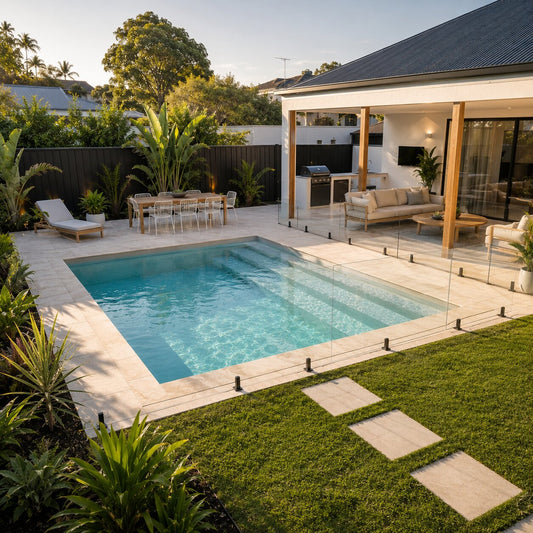
It can also improve how the entire backyard functions. Parents can watch children in the pool from a sheltered seating area. Guests have a natural place to gather away from wet foot traffic. An outdoor kitchen or barbecue can sit under cover, with enough bench space and circulation room for entertaining rather than simply cooking outside.
The value is not only visual. When the layout is right, a pavilion helps a larger backyard feel organised and a smaller backyard feel more usable.
What backyard pavilion builders should consider first
The best pavilion is never selected from a catalogue and dropped onto a block. Its size, roof form, materials and location need to respond to the site and the broader project.
Start with how you will use it
A compact pavilion for a family of four needs different planning from a generous entertaining zone for regular gatherings. Think about the furniture you want to use, where food will be prepared, how people will move around the pool, and whether the area needs room for a dining table, lounge setting, television or fireplace.
A structure can look substantial in a plan but feel cramped once seating, cabinetry and pool towels are added. Equally, an oversized roof can overpower a modest pool or take too much sun from garden areas. Good design finds the balance between generous living space and proportion.
It is also worth deciding early whether you want a simple shaded retreat or a more complete outdoor room. Electrical provision for lighting, fans, speakers and power points is easier to incorporate during construction than after the roof is finished. The same applies to plumbing, gas connections and drainage where an outdoor kitchen is planned.
Read the block before choosing the structure
Brisbane blocks are rarely identical. Flat sites may allow a straightforward freestanding pavilion, while sloping blocks can require retaining, engineered footings, steps, drainage solutions and careful levels to create a safe, connected outdoor area.
The pavilion should sit naturally within the fall of the land rather than create awkward transitions between the house, pool and garden. Water management matters too. Roof runoff must be directed appropriately so it does not affect the pool surround, garden beds, neighbouring properties or the stability of nearby retaining walls.
Setbacks, boundary considerations, pool fencing requirements and approvals can also influence the final design. This is where an experienced builder adds real value. They can identify constraints before work begins and coordinate the structural, pool and landscape elements as one project rather than leaving homeowners to resolve clashes between separate trades.
Choosing materials that suit the home and climate
Material selection should complement the home while standing up to Queensland conditions. Timber offers warmth and character, particularly alongside natural stone, garden planting and traditional architecture. It does, however, need appropriate detailing and ongoing maintenance to preserve its appearance.
Steel and aluminium systems can create clean contemporary lines and are often suited to larger spans or low-maintenance designs. Insulated roofing may improve comfort beneath the pavilion, while a lined ceiling can give the structure a more refined, indoor-outdoor feel. The right choice depends on your home’s style, the desired finish and how much maintenance you are prepared to undertake.
Colour should be considered in context, not chosen in isolation. Roofing, posts, paving, pool coping, fencing and outdoor cabinetry all sit within the same view. Bringing these elements together produces a calmer, more considered result than treating each one as a separate purchase.
Plan the pavilion with the pool, not after it
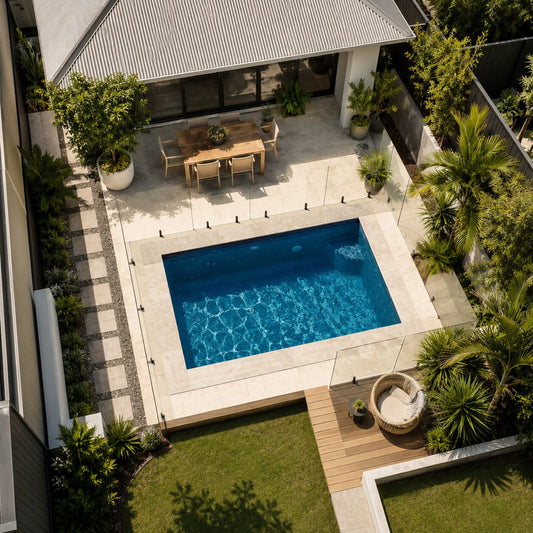
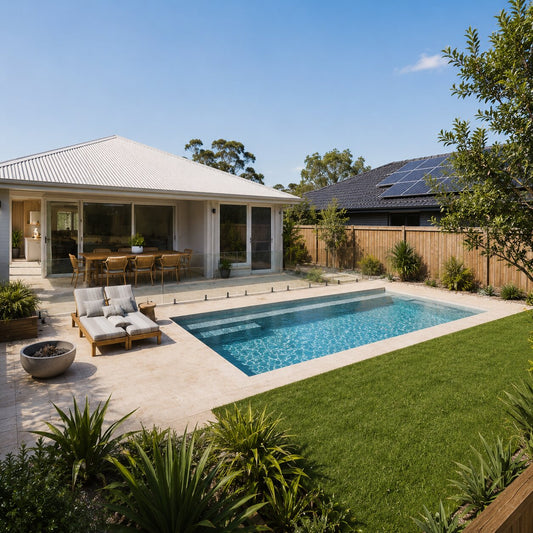
A pavilion built after a pool is complete can still be a valuable addition, but planning both together usually delivers a better outcome. Pool placement affects sightlines, access paths, fencing and the way shade moves through the yard. Pavilion footings, roof drainage and service locations can all be designed before paving and landscaping are locked in.
This joined-up approach is especially useful on tight or sloping sites. It avoids the common problem of discovering too late that a proposed post location conflicts with pool plumbing, a drainage line, fencing or a retaining structure. It also helps ensure the pavilion does not obstruct the best view of the pool from inside the home.
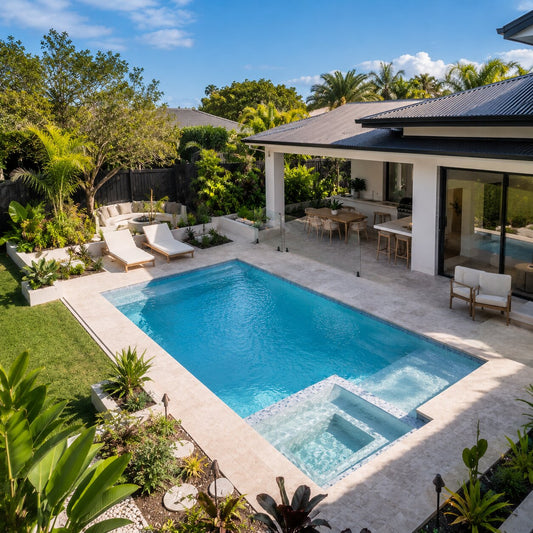
At Wahoo Pool & Landscape Construction, pavilion planning can be coordinated alongside custom pool construction, paving, fencing, landscaping and structural works. For homeowners, one experienced team managing the full outdoor environment can mean fewer handovers, clearer decisions and a more consistent finish.
Budget for the whole outdoor zone
Pavilion pricing varies because the roof itself is only one part of the work. Site access, excavation, footings, engineering, roof design, electrical work, drainage, finishes and landscaping can all affect the final investment.
Rather than choosing a pavilion based on a starting price alone, assess the total scope. A low initial figure may not include the structural work needed for a sloping block, the lighting required for evening use or the paving needed to make the space functional. A detailed proposal should clarify what is included, what site conditions could change the cost, and how the pavilion connects with surrounding works.
There are sensible ways to stage a project when needed. For example, footings and electrical conduits can be installed during a pool build, while cabinetry or decorative screens may be added later. The key is to have a long-term plan from the outset so future additions do not require expensive rework.
Questions to ask before appointing a builder
Before selecting a builder, ask to see examples of completed outdoor areas that are similar in scale, site conditions or architectural style to yours. Discuss who manages design, engineering, approvals, trades and site coordination. Clear answers are a good sign that the team understands the project beyond the visible pavilion.
You should also ask how the builder approaches difficult access, drainage and changes in level. These are practical details, but they often determine whether an outdoor project runs smoothly. A builder who raises them early is more likely to protect your budget and timeline.
Finally, make sure the design conversation includes everyday use. Where will guests enter? Can someone move from the kitchen to the pavilion without crossing the pool zone? Is there enough covered space when everyone comes inside during a storm? Those questions turn an attractive structure into one your family will use week after week.
A pavilion is an investment in more time outdoors. When it is carefully designed around your pool, home, block and lifestyle, it becomes the place where the best parts of family life naturally gather.