Garden Design Around Pool That Really Works
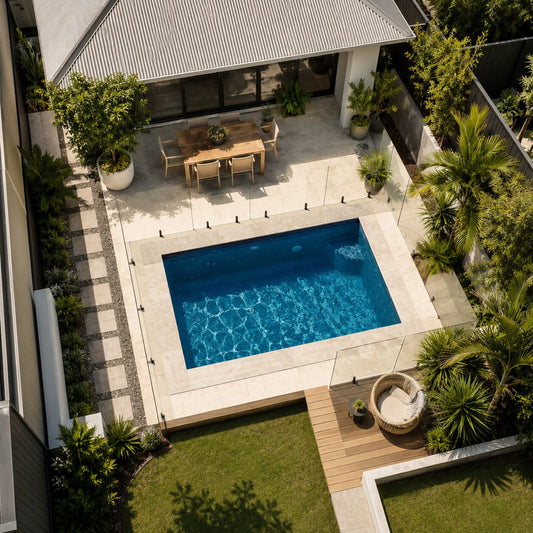
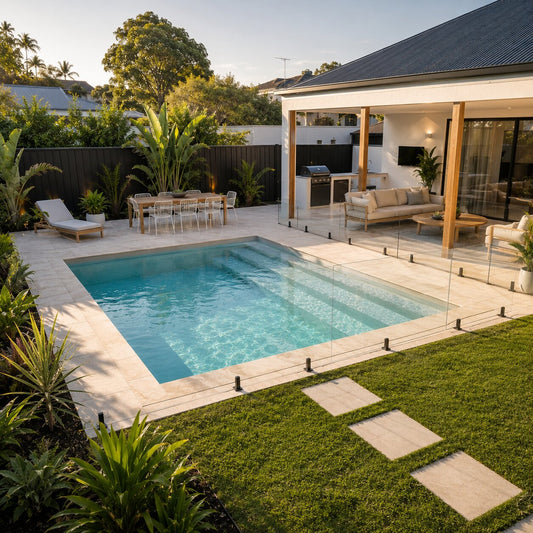
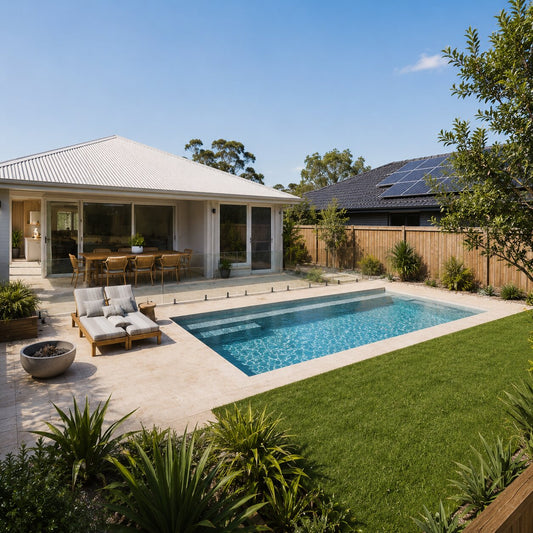
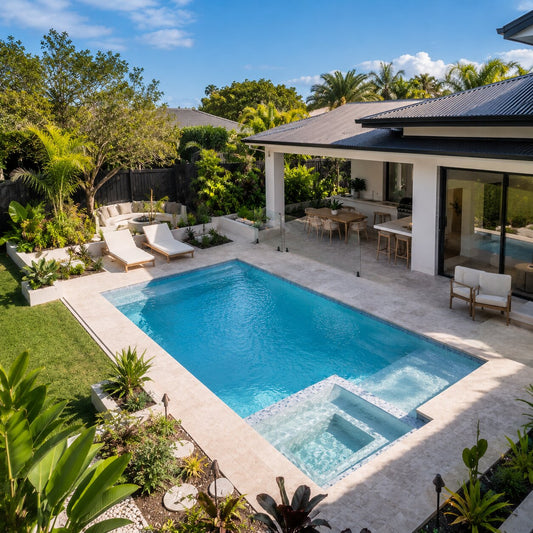
AdminA pool can look outstanding on plan and still feel unfinished once it is built. The missing piece is often the landscape around it. Good garden design around pool areas is what turns a standalone shell into a backyard that feels comfortable, private and easy to use every day.
For Brisbane homeowners, that matters more than most. Our climate invites outdoor living for much of the year, but it also brings strong sun, summer storms, leaf drop, humidity and the need for practical drainage. A pool garden has to do more than look good in photos. It needs to suit the way your family lives, the conditions on your block and the level of upkeep you are happy to take on.
What good garden design around pool areas should achieve
The best pool landscapes solve several problems at once. They soften hard surfaces, frame views, create privacy from neighbours and make the whole area feel intentional rather than pieced together. Just as importantly, they support safety, access and long-term durability.
That balance is where many projects either work beautifully or become frustrating. Dense planting can create a lush resort feel, but if it drops leaves into the water every day, blocks sightlines from the house or crowds circulation space, it quickly becomes impractical. On the other hand, a bare pool surround may be easy to clean but can feel exposed, hot and lacking character.
A successful design finds the middle ground. It gives you greenery without constant mess, shade without making the pool cold, and privacy without closing in the space.
Start with how the space will actually be used
Before choosing plants, paving or feature walls, it helps to be honest about how your household will use the area. A family with young children usually needs clear visibility, generous paths and lawn or open play space nearby. A couple focused on entertaining may place more value on seating zones, lighting and strong visual impact from the alfresco area.
This is also where block conditions matter. A compact suburban yard needs a different landscape approach from a large acreage block. Sloping sites, which are common across Brisbane, often need retaining, drainage planning and level changes integrated into the design from the beginning. If those structural elements are treated as an afterthought, the garden rarely feels cohesive.
When the pool, landscape and surrounding structures are designed together, you get better flow between the water, paving, planting, fencing and outdoor living spaces. That usually leads to a cleaner result and a much smoother build.
Plant selection matters more than most people expect
Plants around a pool are not just decorative. They affect maintenance, comfort and even water quality. The wrong selection can leave you with debris in the skimmer basket, roots pushing into adjacent surfaces or a garden that struggles in reflected heat.
In Brisbane conditions, hardy subtropical planting often performs well, but there is no single formula. Some homeowners want a tropical look with layered foliage and screening. Others prefer a more architectural palette with clean lines and lower maintenance. Both can work, provided the planting matches the site.
Broadly speaking, it is wise to avoid plants that drop excessive leaves, flowers or fruit straight into the pool. Thorny species are also best kept away from walkways and lounging zones. Near the coping and paving, root behaviour matters too. A plant that looks tidy in the nursery can become a structural nuisance if it spreads aggressively over time.
Soft, low planting can work well along edges where you want to ease the transition between hardscape and garden. Taller screening plants are useful along boundaries, but they need enough room to establish properly. If they are squeezed into narrow strips with poor soil preparation, they can become patchy and disappointing.
Privacy, shade and outlook need to work together
Most homeowners want more privacy around a pool, but the best solution depends on where overlooking occurs and how enclosed you want the space to feel. Sometimes a planted screen is enough. In other cases, a combination of fencing, feature walls and layered landscaping creates a more reliable result.
Shade is another area where trade-offs matter. Trees can bring relief from the afternoon sun and make the space far more comfortable, but if they are too close to the pool they can create cleaning issues and reduce winter sun. Structures such as pavilions, pergolas or covered alfresco areas can often provide more controlled shade where people actually sit, while planting is used more selectively.
The outlook from inside the home should not be overlooked either. In many Brisbane homes, the pool is visible from the kitchen, living room or outdoor entertaining area. The landscape needs to look good from those angles, not just from the waterline. That is where framed views, layered heights and thoughtful lighting can make a major difference.
Hardscape is part of the garden design
Garden design around pool spaces is not only about greenery. Paving, coping, retaining walls, steps, seating edges and drainage all shape the experience of the area. These elements need to be practical first, but they also set the tone of the finished space.
Lighter surfaces can stay cooler underfoot in summer, although they may show dirt more readily. Darker finishes can create a sleek look, but they often absorb more heat. Textured materials improve slip resistance, yet the texture should still feel comfortable on bare feet. This is where material selection should be guided by day-to-day use, not just appearance.
Retaining walls are especially important on sloping blocks. Done well, they can create planting pockets, define zones and help the landscape feel integrated into the site. Done poorly, they can make a backyard feel chopped up and heavily engineered. A good design approach treats structural works as part of the visual outcome, not separate from it.
Designing for Brisbane conditions
Brisbane pool gardens need to cope with weather extremes. Heavy rainfall can put pressure on drainage and retaining. Summer heat can stress shallow-rooted planting and make exposed paving uncomfortable. Humidity can affect material performance and increase growth rates, which changes maintenance needs.
That is why drainage planning should be built into the overall landscape concept. Water needs to move away from the pool area and adjacent structures without washing out garden beds or creating muddy edges. Irrigation can also be worth considering, especially where gardens are designed for a lush appearance and consistent presentation.
There is also the question of storm resilience. A beautiful garden that suffers every time there is a major downpour is not a good long-term investment. Practical detailing, quality construction and suitable plant choices all help protect the look and function of the space.
Why a whole-of-project approach usually delivers better results
One of the most common issues in backyard projects is fragmentation. A pool builder handles the shell, another contractor installs paving, a landscaper comes in later, and someone else deals with fencing or drainage. Even when each trade does its part reasonably well, the overall result can feel disconnected.
A coordinated design-and-build approach tends to avoid that. It allows the pool, landscape, structural works and finishes to be considered together from the start. Levels align properly, access is planned, services are accounted for and the visual language stays consistent across the entire backyard.
For homeowners, it also removes a lot of the stress. Instead of trying to manage multiple moving parts yourself, you have a clearer path from concept to completion. That is especially valuable on more complex sites or when the goal is not just a pool, but a complete outdoor living area.
Getting the style right without chasing trends
Pool landscaping trends come and go, but the best gardens usually have a more lasting quality. Clean contemporary spaces remain popular, as do resort-inspired gardens with rich planting and strong privacy. Classical homes may suit more structured planting and symmetrical layouts. The right answer depends on the architecture of the house, the scale of the yard and how formal or relaxed you want the space to feel.
What tends to age best is consistency. If the pool, home and landscape speak the same design language, the finished result feels considered. If every element competes for attention, even expensive materials can look unsettled.
This is where experience helps. A good designer will know when to keep things restrained, when to introduce feature planting, and how to balance visual impact with maintenance and budget. For many Brisbane homeowners, that guidance is what turns a good idea into a space that genuinely adds value to daily life.
At Wahoo Pool & Landscape Construction, that complete view of the project is exactly what many clients are looking for. Rather than treating the garden as the final layer, it is planned as part of the full backyard transformation from the outset.
A well-designed pool garden should not feel like decoration added around the edges. It should make the whole space easier to enjoy, easier to maintain and better suited to the way you live, now and for years to come.