How to Plan a Backyard Pool Renovation
AdminA tired pool rarely stays a small problem for long. Cracked coping, dated paving, poor drainage and an awkward layout can turn what should be the best part of the backyard into a maintenance headache. If you are working out how to plan a backyard pool renovation, the smartest place to start is not with tiles or paint colours. It is with a clear plan for how you want the whole outdoor area to function.
For most Brisbane homeowners, a pool renovation is not just about improving the pool shell. It often affects fencing, drainage, retaining, paving, lighting, planting and the way the family uses the space day to day. The best results come when those moving parts are planned together, not treated as separate jobs handed to different trades.
How to plan a backyard pool renovation from the ground up
Before making design choices, step back and assess what is actually driving the renovation. Some projects are cosmetic. Others are structural. Many are a combination of both. You might want a more modern look, but if the surrounding paving is lifting or water is pooling against the house, those practical issues need to be addressed first.
Start by asking what is not working now. Is the pool too hard to supervise from the entertaining area? Is the surface worn and dated? Does the backyard feel chopped up and underused? Are there drainage issues after heavy rain? On sloping Brisbane blocks, these questions matter even more because site conditions can affect cost, engineering and the order of works.
It also helps to think ahead. A renovation that suits your family today should still work well in five or ten years. Young children may need safe shallow zones and easy visibility. Older families may place more value on open entertaining areas, low-maintenance landscaping or a spa addition. Good planning balances present needs with long-term value.
Set the scope before you set the budget
One of the most common mistakes in pool renovation planning is pricing too early without defining the real scope of works. Homeowners often begin with a figure in mind for resurfacing or replacing tiles, then discover the project also needs new coping, upgraded fencing, drainage correction or landscape rebuilding.
A better approach is to separate your renovation into essentials and upgrades. Essentials are the items that must be fixed for safety, compliance, performance or durability. Upgrades are the elements that improve appearance, comfort and lifestyle. That distinction makes budgeting far easier and helps avoid surprises once work begins.
For example, resurfacing a pool may seem straightforward, but if adjoining paving has to be removed for access, or if the renovation reveals damaged waterproofing or movement around the pool edge, costs can shift. This is why a realistic budget should include a contingency, especially for older pools or backyards with previous patchwork alterations.
If you are planning a larger transformation, it is usually more cost-effective to coordinate the pool, landscape and structural works as one project. Doing it in stages can work, but it can also mean rework, duplicated labour and a backyard that feels unfinished for longer than expected.
Think in zones, not just pool features
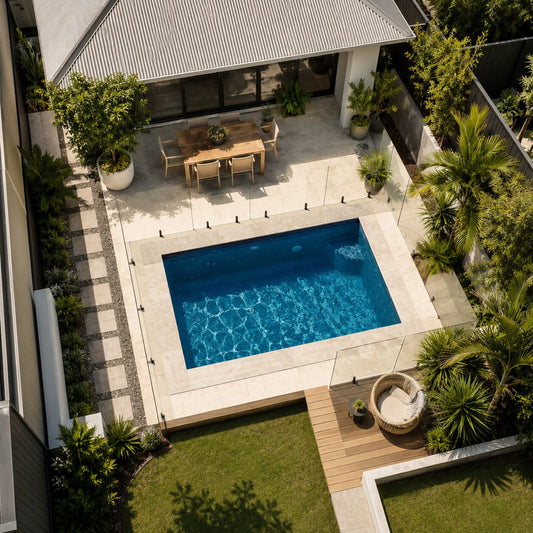
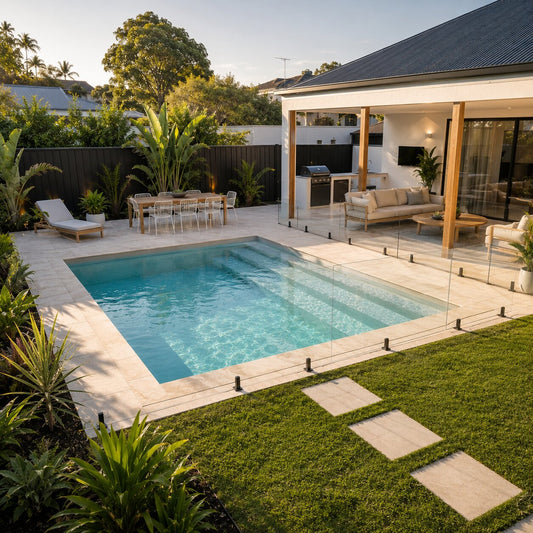
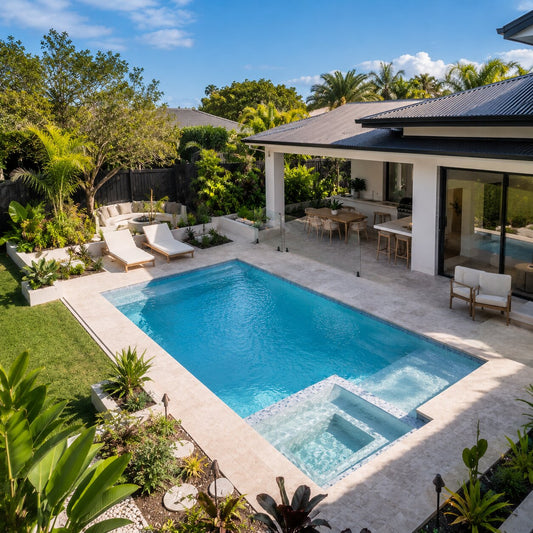
A successful renovation does not stop at the waterline. The pool should connect naturally with the rest of the yard. That means considering how people move between the house, the pool, seating areas, lawn, outdoor kitchen or pavilion.
When the layout is right, the backyard feels bigger, more usable and easier to maintain. When it is wrong, even an expensive renovation can feel disjointed. This is where experienced design input makes a real difference, particularly on difficult sites where levels, retaining and drainage need to work together.
Assess site conditions early
Every backyard has constraints, and the sooner they are identified, the better the renovation process will run. Access is a big one. If machinery, materials or excavation equipment cannot move easily into the yard, that affects both method and cost. Tight suburban blocks, narrow side access and built-up gardens all influence planning.
Levels are another key consideration. Sloping sites can absolutely deliver outstanding pool renovations, but they usually need more careful engineering and construction sequencing. Retaining walls, drainage systems and structural support may need to be upgraded alongside the pool itself. Ignoring those factors to save money early often creates bigger costs later.
It is also worth checking the condition of surrounding structures. Existing fences, nearby decks, garden walls and paving may all be affected by renovation works. If they are near the end of their life, folding them into the project can be the smarter long-term choice.
Choose materials that suit Brisbane conditions
Brisbane backyards work hard. Strong sun, summer storms, moisture and heavy use all put pressure on pool finishes and surrounding materials. What looks great in a showroom may not be the best option once it is exposed to heat, glare and foot traffic every day.
When planning your renovation, focus on materials that balance appearance with durability. Coping and paving should stay comfortable underfoot, offer slip resistance and suit the style of the home. Pool interiors need to handle chemical exposure and ongoing maintenance. Lighting, planting and water features should be selected with long-term upkeep in mind, not just first impressions.
There is always a trade-off between luxury finishes and practical maintenance. Natural stone can look exceptional, but some products need more care than others. Darker finishes can create a dramatic look, but they may also absorb more heat. The right choice depends on your priorities, your budget and how you use the space.
Approvals, compliance and timing matter
A backyard pool renovation can involve more regulation than many homeowners expect. Depending on the scope, you may need to consider pool barrier compliance, structural approvals, engineering, stormwater management and other site-specific requirements. If retaining, fencing or major structural works are part of the project, those elements should be reviewed early.
Timing matters too. Many families hope to renovate in time for summer, but the busiest period for planning and booking quality contractors often starts well before the weather warms up. Waiting until spring to begin discussions can narrow your options and compress decision-making.
The practical timeline should allow for design development, quoting, approvals where needed, material selection and construction. If you are coordinating several outdoor elements at once, a clear sequence becomes essential. Pool works may need to happen before paving. Drainage may need to be finalised before landscaping. Good project management is what keeps those pieces aligned.
Work with one team if the project is complex
If your renovation includes more than the pool itself, using one specialist team can make the experience far less stressful. That is especially true when the project involves sloping ground, retaining, paving, fencing, concreting, planting and outdoor structures.
The alternative is managing multiple trades yourself and hoping their schedules, measurements and responsibilities all line up. Sometimes that works. Often, it leads to delays, finger-pointing and details being missed between contractors.
A complete pool and landscape builder can look at the backyard as one connected environment. That means the drainage supports the paving, the paving works with the pool edge, the fencing meets compliance requirements, and the finished space feels cohesive rather than pieced together. For homeowners who want a high-quality result without having to coordinate every moving part, that approach usually delivers better value.
Make design decisions with resale in mind
A renovation should suit your family first, but it is still worth considering broader appeal. Overly specific design trends can date quickly, while well-planned layouts and quality finishes tend to hold value better. Neutral materials, practical entertaining areas and strong visual connection between house and pool generally age well.
That does not mean playing it safe with every choice. It means being selective about where to make a statement. A striking water feature, elegant lighting or a well-designed pavilion can add character without locking the whole backyard into a short-lived trend.
For many Brisbane homeowners, the strongest resale benefit comes from making the yard feel complete. Buyers respond well to outdoor areas that look easy to enjoy from day one, not spaces that still need further works.
Plan for the way you actually live
The best backyard renovations are rarely the most elaborate. They are the ones that feel easy to use. That could mean wider poolside spaces for entertaining, better storage for equipment, a cleaner visual line from the kitchen to the pool, or low-maintenance planting that does not drop leaves into the water every week.
When homeowners think carefully about habits, the design becomes more useful. If you entertain often, prioritise seating, shade and circulation. If the kids are in the pool every afternoon, supervision and durable finishes should lead the conversation. If the goal is a private retreat, screening, lighting and landscaping may matter just as much as the pool itself.
At Wahoo Pool & Landscape Construction, that whole-of-backyard thinking is what helps turn a renovation into a space families genuinely use and enjoy. A smart plan gives you more than a refreshed pool. It gives you a backyard that works properly, looks the part and feels worth the investment for years to come.
If you are about to renovate, start with the bigger picture. The right plan will make every next decision easier.