Plunge Pool vs Lap Pool: Which Fits Best?
AdminIf you are weighing up a plunge pool vs lap pool, the right answer usually comes down to how you want to use your backyard on an ordinary Tuesday, not just how it might look in a finished photo. One pool is built around compact relaxation and cooling off. The other is designed for movement, routine and covering distance. Both can add real lifestyle value, but they solve very different problems.
For Brisbane homeowners, that decision also needs to match the block, the budget and the wider outdoor plan. A pool never sits in isolation. It affects landscaping, fencing, drainage, entertaining zones and how the family moves through the yard every day.
Plunge pool vs lap pool: the core difference
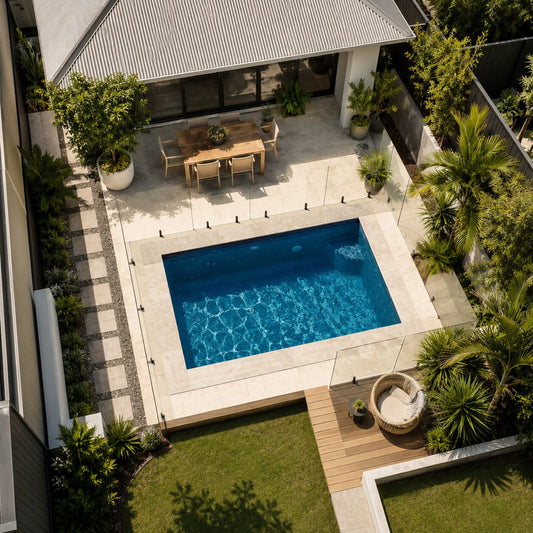
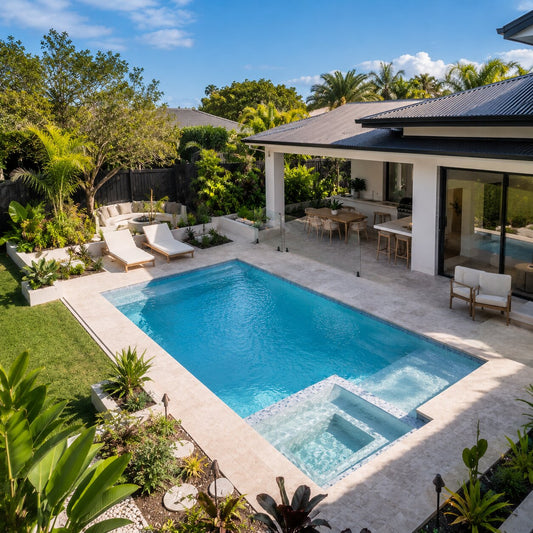
A plunge pool is compact, deep enough to cool off and relax in, and often chosen for smaller backyards or homes where entertaining matters more than swimming laps. It can still be visually impressive, especially when paired with quality paving, clever lighting and a well-designed alfresco area, but its main purpose is leisure.
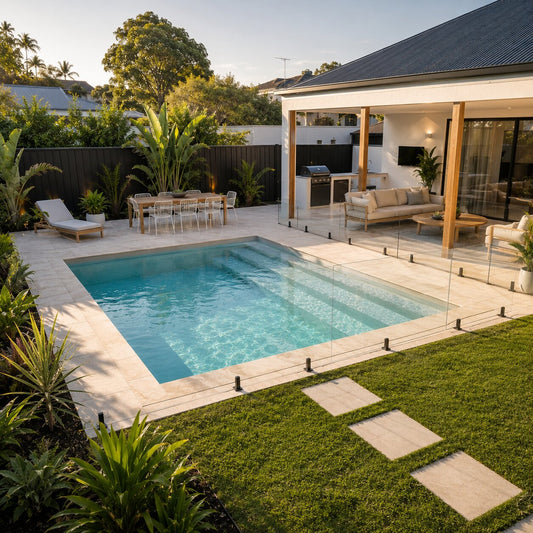
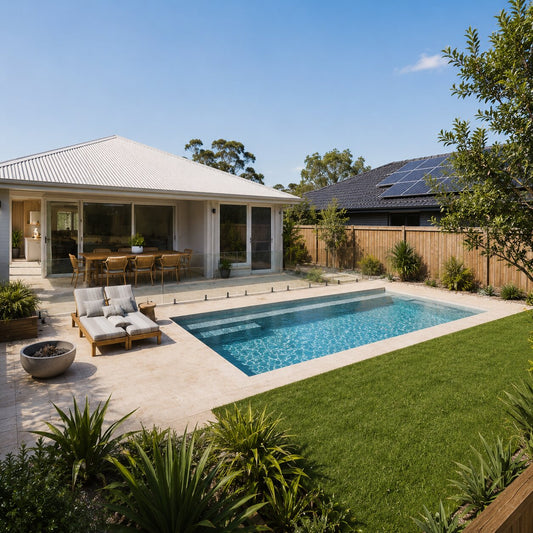
A lap pool is longer and narrower, built for swimming from one end to the other. It suits homeowners who want exercise as part of daily life, or families with older children and teenagers who will genuinely use the pool for more active swimming.
That sounds straightforward, but the practical decision is rarely just leisure versus fitness. It is also about available space, site conditions and whether the pool needs to work as the centrepiece of a full backyard transformation.
When a plunge pool makes more sense
A plunge pool is often the better choice when land is limited or the outdoor space needs to do several jobs at once. If you want room for a lawn, a pavilion, an outdoor kitchen or a generous entertaining area, a smaller pool footprint can make the whole design feel balanced rather than cramped.
This is a common scenario across Brisbane suburbs where blocks vary widely and many homeowners are trying to get more out of an existing yard. On a tighter site, a plunge pool can deliver the feel of a high-end outdoor retreat without taking over every square metre.
It also tends to appeal to families who want a place to cool off in summer, spend time together and create a strong visual feature, but who are not planning to swim laps several times a week. In that case, paying for extra length may not deliver much real value.
That said, a plunge pool does have limits. If your idea of pool use includes regular exercise or long, uninterrupted swimming, a compact design can feel restrictive quite quickly. It is excellent for relaxing, socialising and refreshing dips, but not every household will stay happy with that trade-off.
When a lap pool is the better investment
A lap pool suits homeowners who know they want function first. If fitness matters, and you are likely to use the pool consistently for exercise, the longer format earns its place. It offers a practical way to swim at home without needing a large resort-style pool.
Lap pools can also work very well on narrow blocks because their shape is efficient. In some Brisbane backyards, especially side-oriented spaces or long, linear sites, a lap pool can fit surprisingly neatly where a wider pool would interrupt the rest of the landscape design.
For families, a lap pool can be a strong choice when there are confident swimmers in the household or when parents want a pool that supports both recreation and exercise. It gives more room for active use, but that does not automatically mean it is right for everyone.
The main compromise is that a lap pool is less naturally social. It is excellent for swimming, but if your dream backyard is built around casual entertaining, lounging and kids hopping in and out while adults gather nearby, a long narrow pool may not create the same atmosphere as a well-positioned plunge pool with surrounding living space.
Space, site conditions and the shape of your block
Pool choice should never be made from dimensions alone. The shape of the block, access, fall across the site and relationship to the house all matter. A plunge pool may seem like the easy answer for a smaller yard, but on some sites a lap pool actually integrates better because it can run neatly along a boundary or beside the home.
Likewise, sloping blocks create another layer of decision-making. Retaining, drainage and structural considerations can change what is practical and what represents the best long-term value. A pool that looks cheaper on paper can become less efficient if it creates more complexity in the overall build.
This is where an engineering-led approach is worth real attention. The pool itself is only part of the project. Once you factor in retaining walls, paving levels, fencing, access and stormwater management, the smartest pool choice is the one that works cleanly with the entire site.
Budget is not just about pool size
Many homeowners assume a plunge pool will always be the cheaper option and a lap pool will always cost more. Sometimes that is true, but not always in the way people expect.
A smaller pool can reduce excavation, materials and water volume, but the final project cost still depends on finishes, access conditions, structural requirements and the amount of surrounding landscape work. A compact pool with premium coping, feature tiling, integrated seating and a polished entertaining area can easily become a substantial investment.
A lap pool usually requires more length and more water, which can increase construction and ongoing costs, but if it suits the site efficiently and avoids awkward leftover spaces, it may deliver better overall value for the property.
The more useful question is not which pool is cheapest. It is which pool gives you the best return in daily use, visual impact and property appeal without forcing compromises elsewhere in the yard.
Maintenance, heating and everyday use
Both styles need regular care, but the ownership experience can feel different. A plunge pool generally has less water to treat and can be simpler to heat, which appeals to households that want convenience and lower ongoing effort.
That smaller volume can make a plunge pool particularly attractive if you see the pool as a lifestyle feature you want to use comfortably for more of the year. Add heating and it becomes a compact, inviting space for quick dips and relaxed family time.
A lap pool, because of its size, may require more energy to heat and more attention to ongoing maintenance costs. For committed swimmers, that extra expense is often justified. For occasional users, it may start to feel like they are maintaining space they do not fully use.
This is one of the biggest decision points. Be honest about your habits. The best pool is not the one that sounds impressive. It is the one your household will use often and enjoy easily.
Which pool adds more to your lifestyle?
In a plunge pool vs lap pool decision, lifestyle should carry more weight than trends. A plunge pool often wins where relaxation, entertaining and compact luxury are the priorities. It leaves more room for landscaping and creates a backyard that feels social, polished and easy to enjoy.
A lap pool tends to win where wellness, routine and active use are central to the brief. It can also make a strong architectural statement, especially in contemporary homes where long lines and clean geometry suit the design.
Neither option is universally better. The right choice depends on whether you want your backyard to feel like a private retreat, a fitness space or a bit of both. It also depends on whether the pool is one feature in a broader outdoor living plan that might include paving, planting, retaining and entertaining zones.
That is why many Brisbane homeowners benefit from looking at the full picture before locking in a pool type. A trusted team like Wahoo Pool & Landscape Construction can assess how the pool, landscaping and structural works come together, so the final result feels cohesive rather than pieced together.
Choosing with confidence
If you are torn between the two, start with three practical questions. How will the pool be used most weeks? How much yard do you want left for living? And how well does each option suit the block you actually have, not the one in your head?
Those answers usually point in the right direction. A plunge pool is often the smart choice for compact blocks, entertaining-focused homes and families who want maximum lifestyle value from a smaller footprint. A lap pool is often the better fit for active households, narrow sites and owners who will genuinely use the length for swimming.
The strongest backyard projects are the ones built around real life. Choose the pool that fits your home, your habits and your plans for the whole outdoor space, and you are far more likely to enjoy the result for years to come.